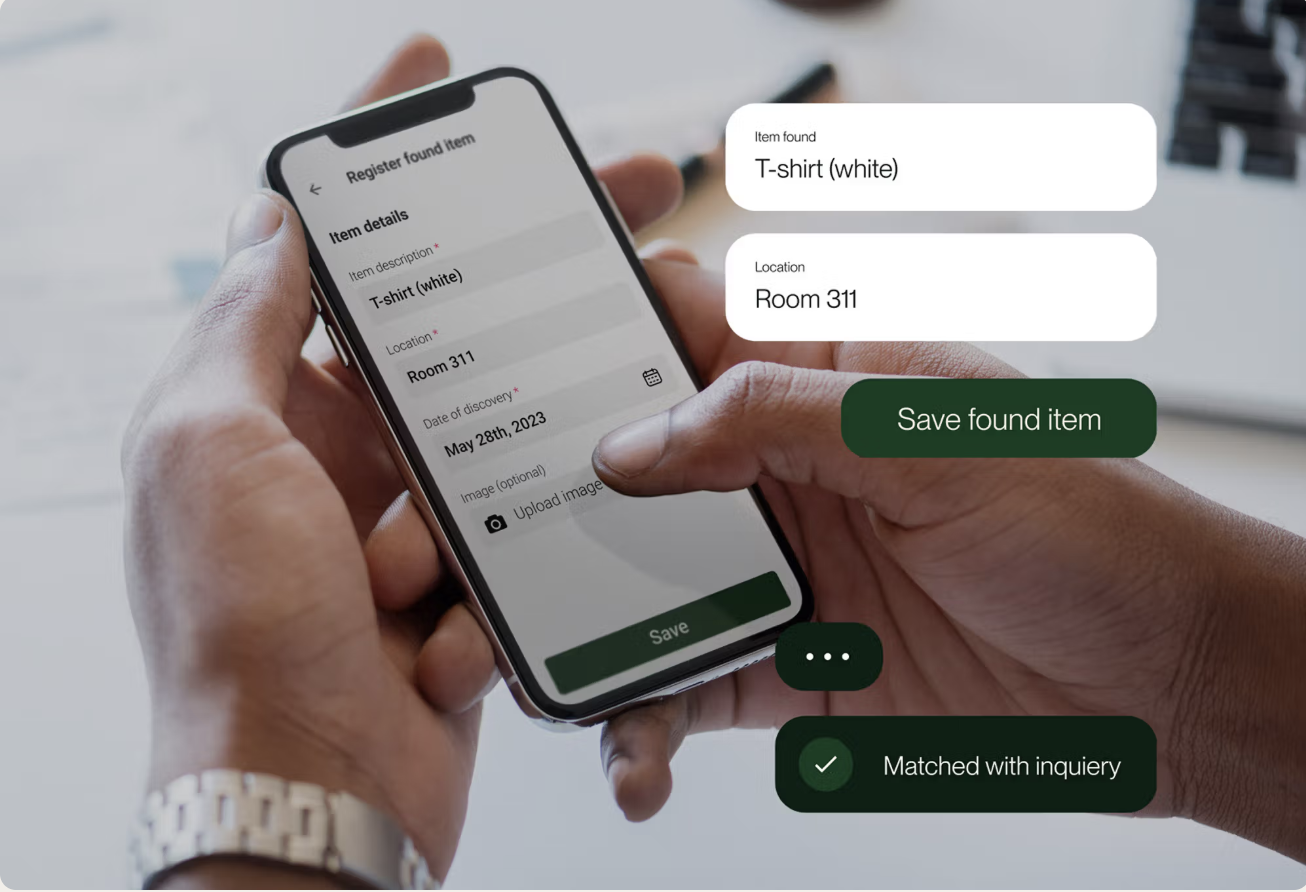
A guest leaves a phone charger behind. Then a jacket. Then a pair of sunglasses. Before you know it, your back office has a shelf of unclaimed items, a front desk that keeps getting interrupted, and a team member making regular trips to the post office. Lost and found is one of those operational tasks that quietly eats hours every week and almost never gets the attention it deserves.
Why Lost and Found Is Harder Than It Looks
It sounds simple. Someone leaves something, you hold onto it, they call, you send it back. But in practice, the process touches almost every part of your operation. Housekeeping finds the item and has to log it. The front desk fields the guest's call or email. Someone has to figure out shipping, customs forms, packaging, and payment. And if the guest is international, the logistics get genuinely complicated.
The result is that lost and found becomes a time sink. We've seen properties where a single team member spends several hours a week just managing returns, and that is time taken away from guests who are actually in the building. It is exactly the kind of hidden cost we look for in a tech stack audit.
The Common Mistakes
- No central log, so items get stored in different places and nobody knows what is where
- Guest communication happens across email, phone, and messaging platforms with no record
- Shipping is handled manually, meaning someone is filling out customs forms and standing in line at the post office
- No tracking, so when a guest asks about an item two weeks later, nobody can confirm whether it was found
- Inconsistent storage, with valuable items kept in the same place as generic ones
What a Good Process Looks Like
A good lost and found process is centralised, digital, and mostly automated. When housekeeping finds an item, it gets logged in one place immediately. When a guest contacts the hotel about a lost item, the team can check the log, confirm the item is there, and initiate a return without leaving the front desk. Shipping, packaging, and payment are handled by the platform, not by your team. It fits naturally alongside the unified operations platforms more hotels are adopting.
The best part is that it turns a negative moment, a guest realising they left something behind, into a positive one. A fast, smooth return with branded packaging and clear communication makes the guest feel looked after. That is the kind of experience that drives loyalty and good reviews.
The Solution We Recommend: Faundit
The solution we recommend is Faundit. It is used by over 1,700 properties worldwide, including names like Radisson Hotel Group, Marriott, Hilton, Scandic, and Accor, and it has a 4.9 out of 5 rating on HotelTechReport.
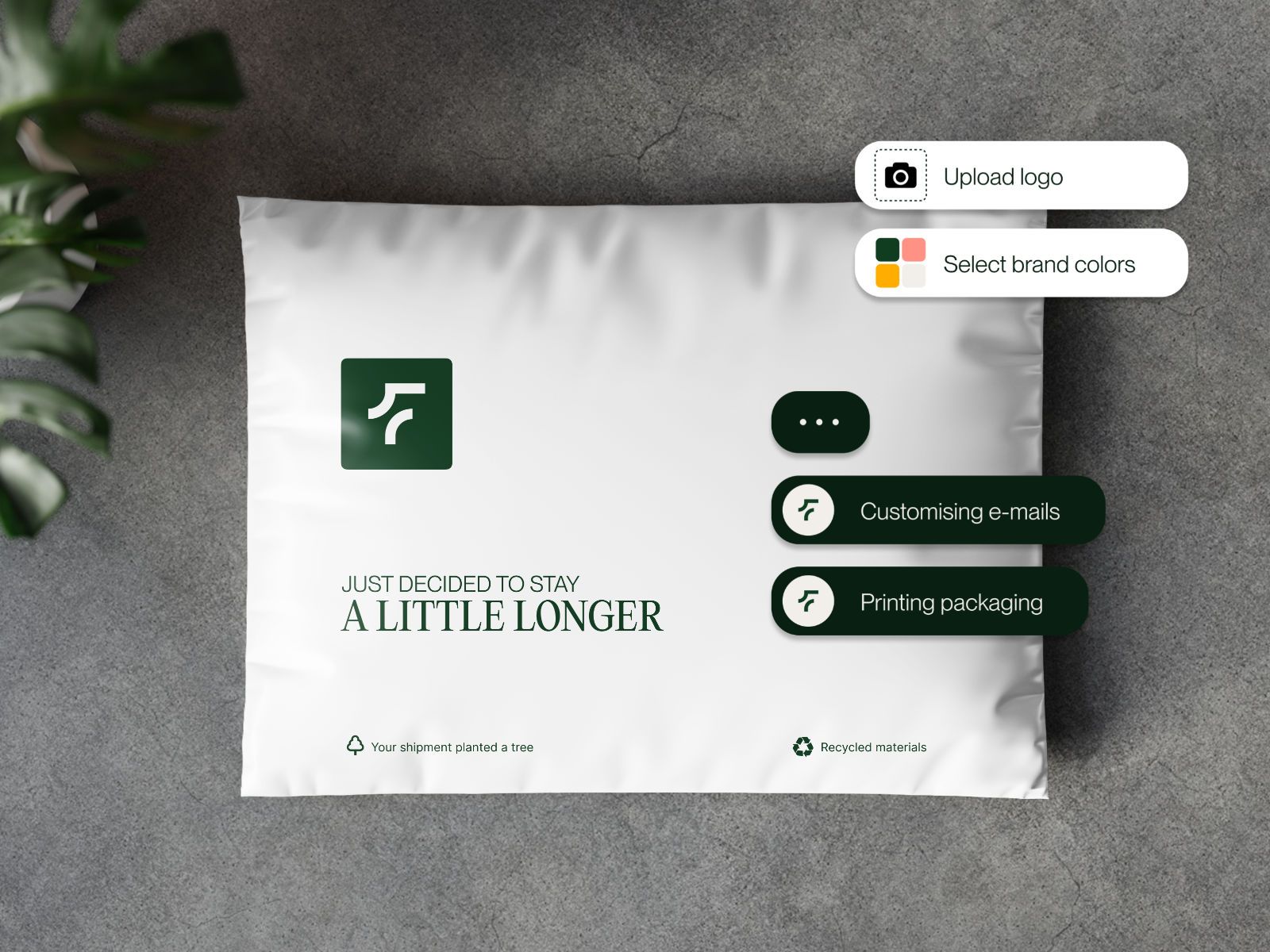
What Faundit does is take the entire return process off your hands. Your team registers the found item on the platform. Faundit contacts the guest, handles the shipping, and even provides custom branded packaging with your hotel's logo. Everything is automated, so your team stops making trips to the post office and stops filling out customs forms. You can get set up in about 10 minutes, and it integrates with your existing hospitality software.
It is also ISO 27001 certified and fully GDPR compliant, which matters when you are handling guest contact details and shipping addresses. And it is, as one hotel manager put it, the most environmentally sustainable way to work with lost and found, because it consolidates shipping and avoids the waste that comes with ad hoc returns.
Want to See How It Works?
If you are curious about how Faundit works in practice and whether it fits your property, book a call with us. We can walk you through how the tool works, what the setup looks like, and whether it makes sense for your operation. We work with hotels and tech companies on both sides, so we can give you a straight answer on whether this is the right fit for you.