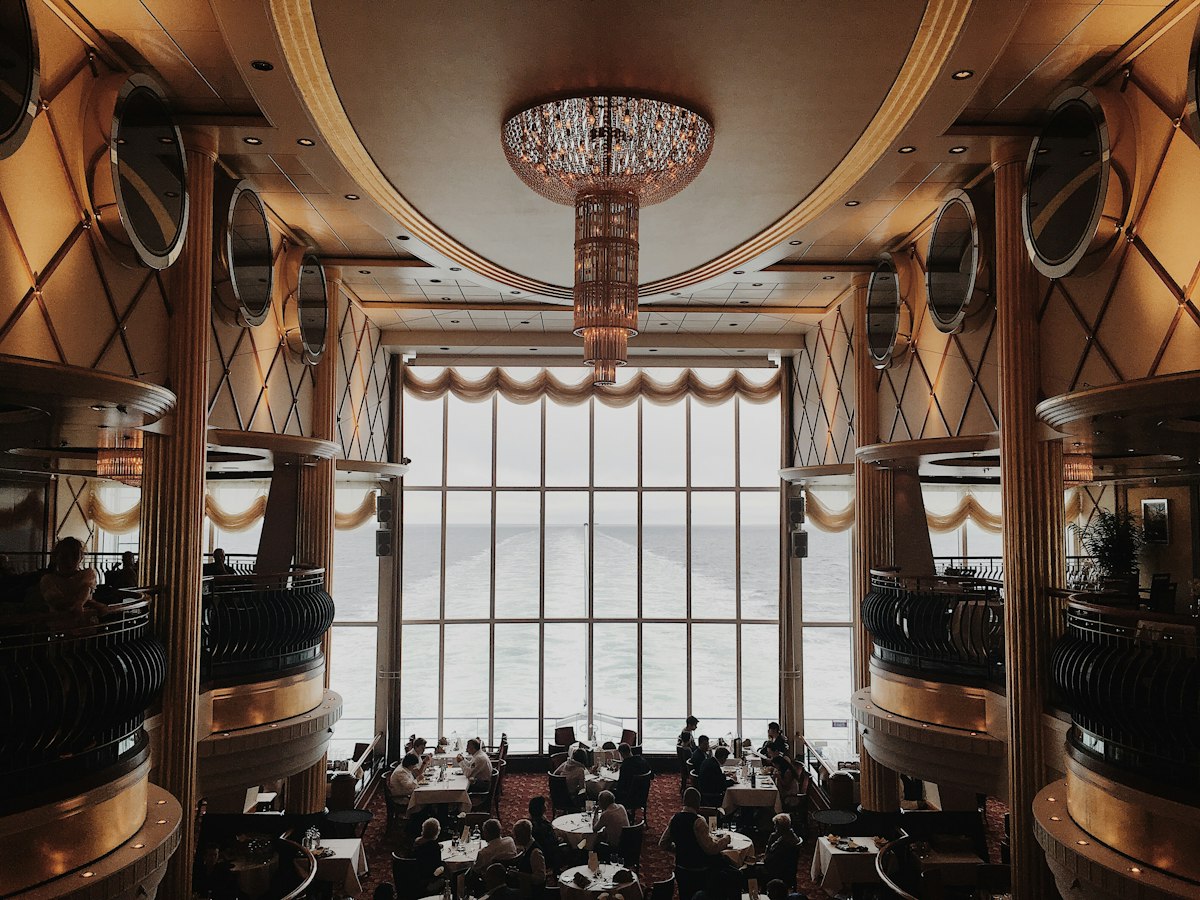
Housekeeping is the engine of guest satisfaction. This guide covers standards, workflows, and the technology that helps teams do more with less without compromising quality.
Why Housekeeping Defines the Guest Experience
A guest may forget the lobby, but they never forget a dirty room. Housekeeping is the department that most directly shapes the first impression and the review score. Yet it's also the department under the most pressure — lean teams, tight turnarounds, and rising expectations for cleanliness and attention to detail.
Standards That Scale
- Documented cleaning sequences — every room cleaned the same way, every time, by every team member.
- Clear inspection checklists — supervisors check against a written standard, not memory.
- Role-specific training — room attendants, supervisors, and public area staff each get the training they need.
- Real-time room status — housekeeping should know which rooms are check-outs versus stay-overs before they start.
- Quality scoring — track inspection results over time to spot training gaps before they become guest complaints.
Technology That Lightens the Load
Housekeeping management software connects room status from the PMS to the housekeeping team's devices, so no one wastes time walking back to a desk for assignments. It routes priorities automatically — check-outs first, then stay-overs, then deep cleans — and gives supervisors a live view of progress. The result is faster room turns, fewer communication errors, and a team that can focus on quality instead of admin.
The Adoption Discipline
Like any system, housekeeping technology only works if the team uses it properly. The same adoption principles we cover in our technology adoption guide apply — train by role, document the workflow, and check in after go-live. A unified operations platform, like the ones we describe in our unified operations guide, can bring housekeeping, maintenance, and front office into one system.